The building
The Kings Arms, Stokenchurch
A coaching inn since at least the 16th century, and a landmark at the heart of the village for 600 years.
Six hundred years at the heart of the village.
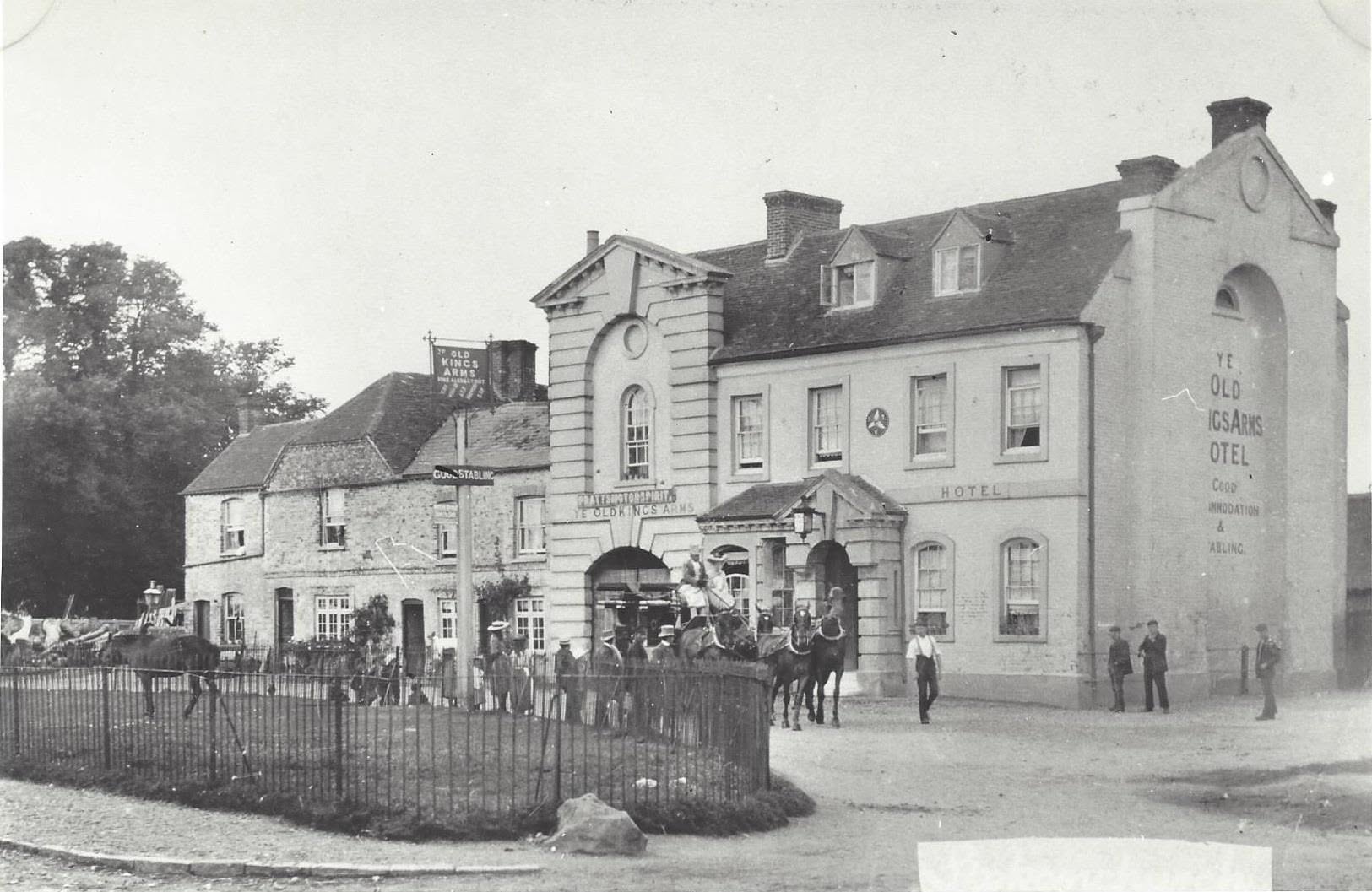
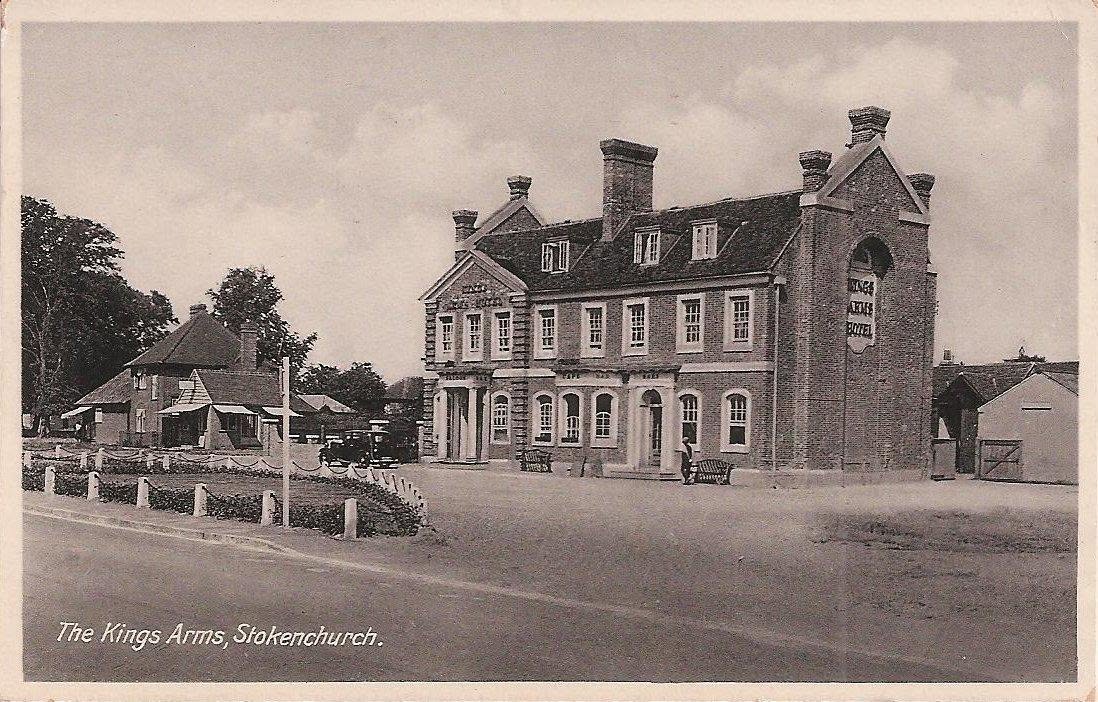
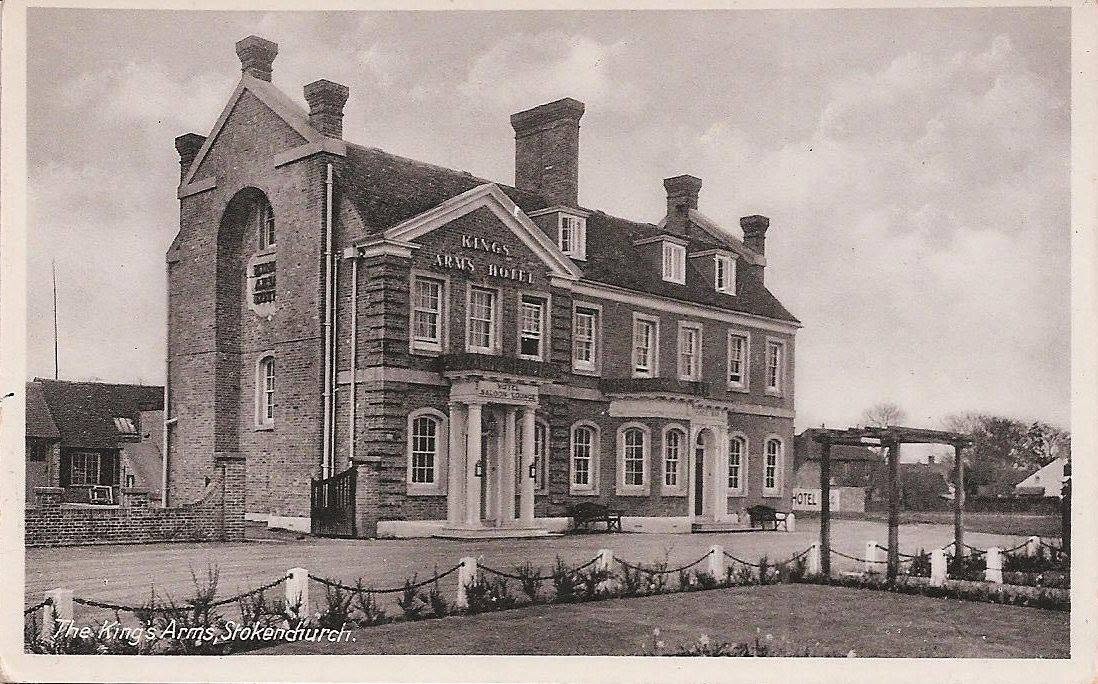
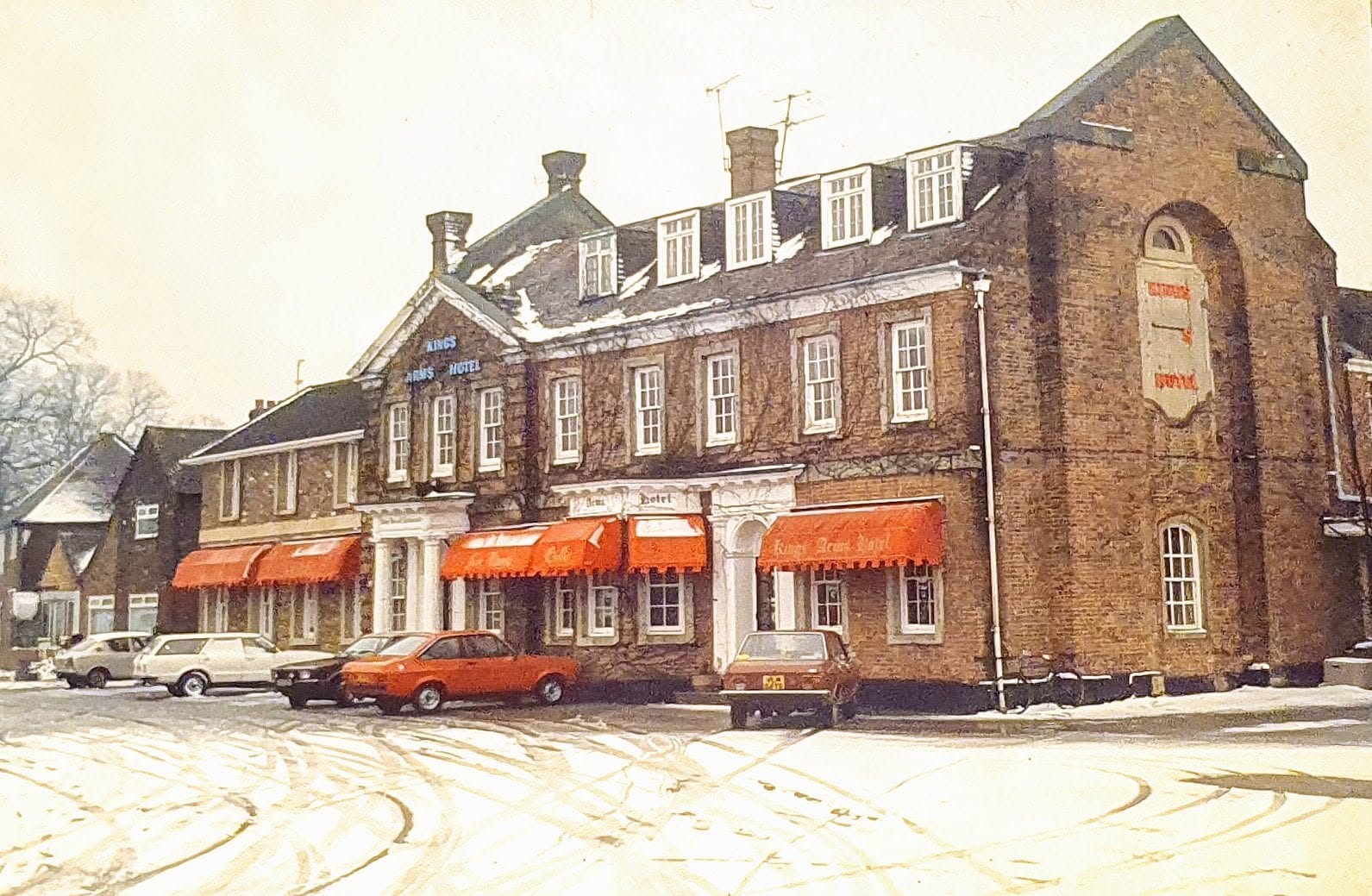
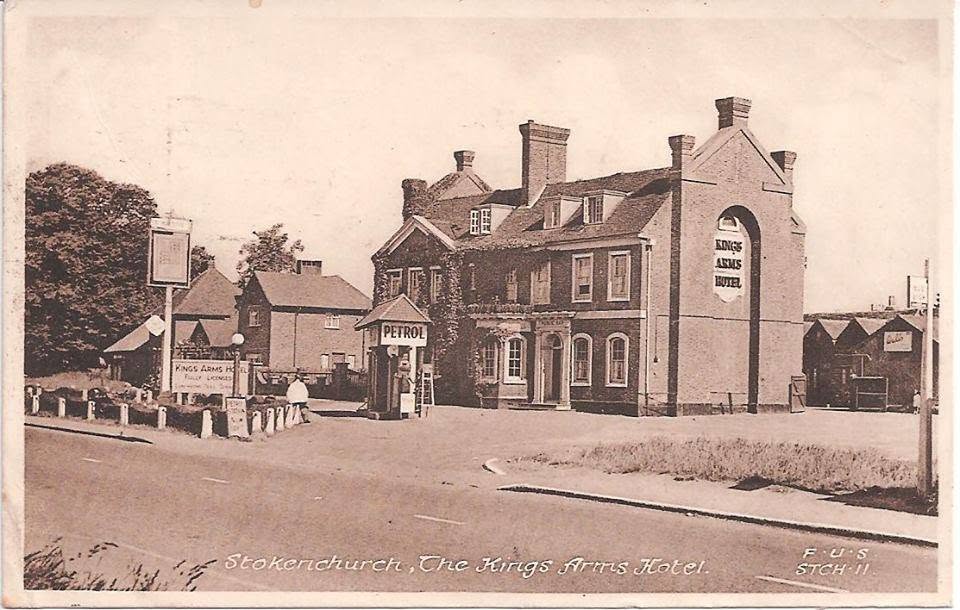
The hotel has existed in various forms since the 16th century and is a landmark in the village of Stokenchurch. Though mostly rebuilt in the 20th century, the outer walls of the main building and its footprint are still original. It isn’t listed, but has been approved by Buckinghamshire Council for entry on its Heritage List — its local importance is recognised and must be taken into account in the planning process. It stands within the Stokenchurch Village Conservation Area.
Royalty and the origins of the name
Human activity has been on this site for over 600 years, including a historic visit by King Charles II. The inn was known originally as The George when, on 14 March 1680, the King — on his way to London to attend Parliament — stayed there. He judged it an unsuitable establishment for Queen Catherine, who was accommodated in a tent pitched on the Common; though it is reputed, according to the village people, that he had no such scruples regarding his mistress Nell Gwyn. The inn was subsequently renamed the King’s Arms, and a memorial hung in the chamber where the King dined:
“Our Gracious Sovereign King Charles II was pleased to make this place his dining room upon the 14th day of March 1680.”
The Civil War
Situated between Royalist Oxford and Parliamentarian London, Stokenchurch and its coaching inns were commonly used as resting places for troops from both sides. The village is mentioned no fewer than twelve times in the journal of Scoutmaster General Sir Samuel Luke between 1643 and 1644, and on two occasions skirmishes broke out when both sides arrived at the village together. The Kings Arms would have featured prominently in all this activity.
Inquests
In the 19th century, inquests into unusual deaths were normally held in a prominent local public house — in Stokenchurch, usually the Kings Arms. One held on 5 February 1851 concerned the body of John White, aged 60. His housekeeper testified that he had eaten two large boiled swede-turnips for supper before going to bed at 8pm, and was woken after midnight by violent stomach pains. The doctor gave his opinion that White’s death was caused by eating the turnips, and the jury returned a verdict to that effect.
Auctions
For over a century the Kings Arms was the venue for many auctions. One of the most important took place on 21 May 1788, when the bankrupt estate of Edward Harris was divided into 26 lots — including the Kings Arms itself and extensive property across Stokenchurch and Crowell. The inn was described as “now in full business, with extensive Stabling… a Kitchen Garden and Pleasure Ground adjoining,” then let to Thomas Gibbs at £30 per annum.
The licensees
Over its near-600-year history the Kings Arms had many proprietors. In the 1750s it was Samuel Carter; in 1769 his son-in-law Edward Harris announced he had taken it on. After the Second World War the furniture manufacturer Harry Anderson bought the hotel to keep his daughter, Gwen Olsen (1918–2009), occupied — she had taken to dancing with soldiers in London, and he bought it without consulting her. Gwen ran it for many years.
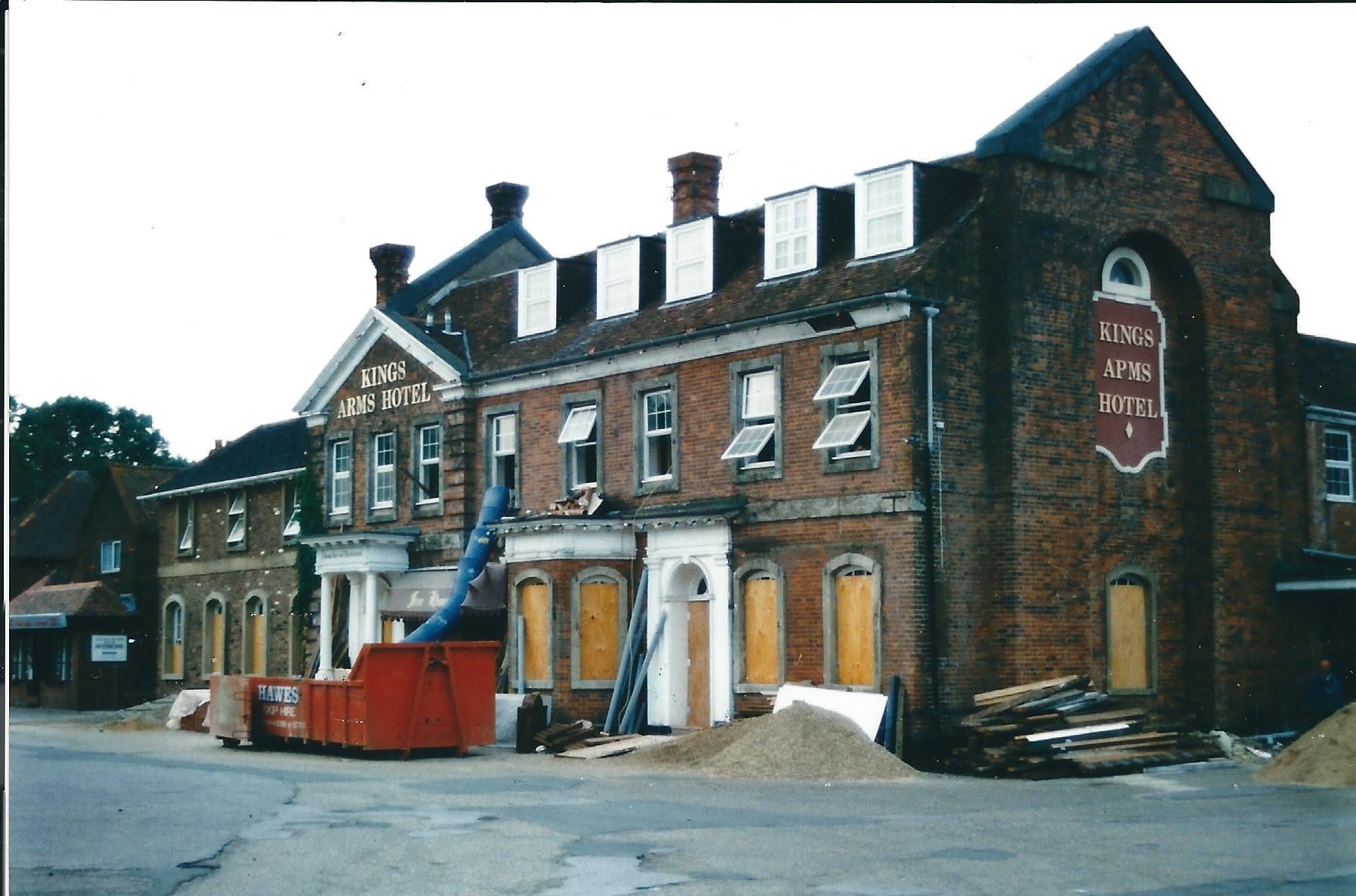
She sold it to local businessman Eric Hunt — whose son Egon is a member of this group — and it passed in turn to Pam and Pat Roddy, then in the mid-1990s to Raja Munnawar Khan, and later to the Dhillon family, who rebuilt it and renamed it the Kings Arms Hotel. Bobby Dhillon sold it to the current owners in 2018.
The building’s current ownership and the legal proceedings are set out on The Case.
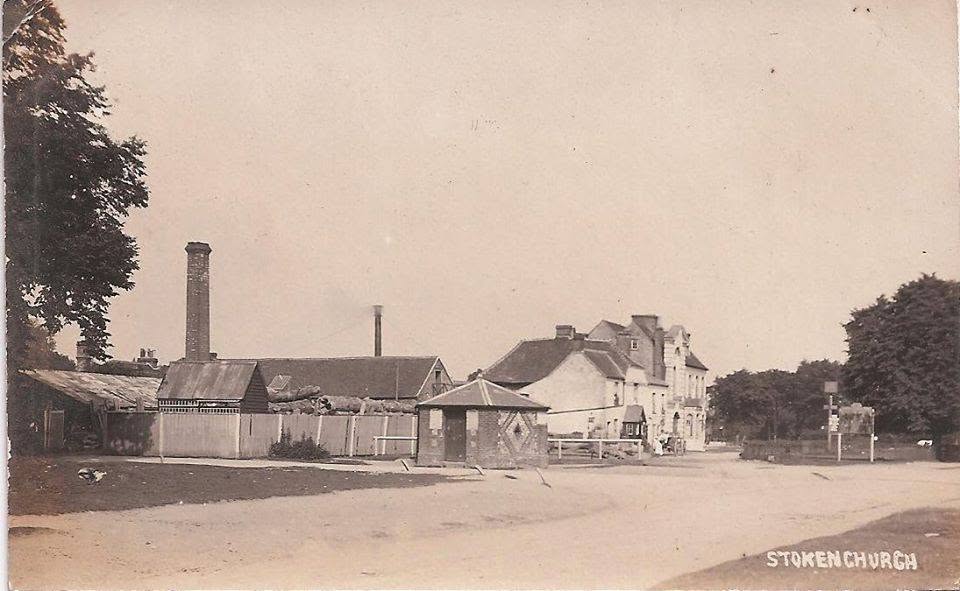
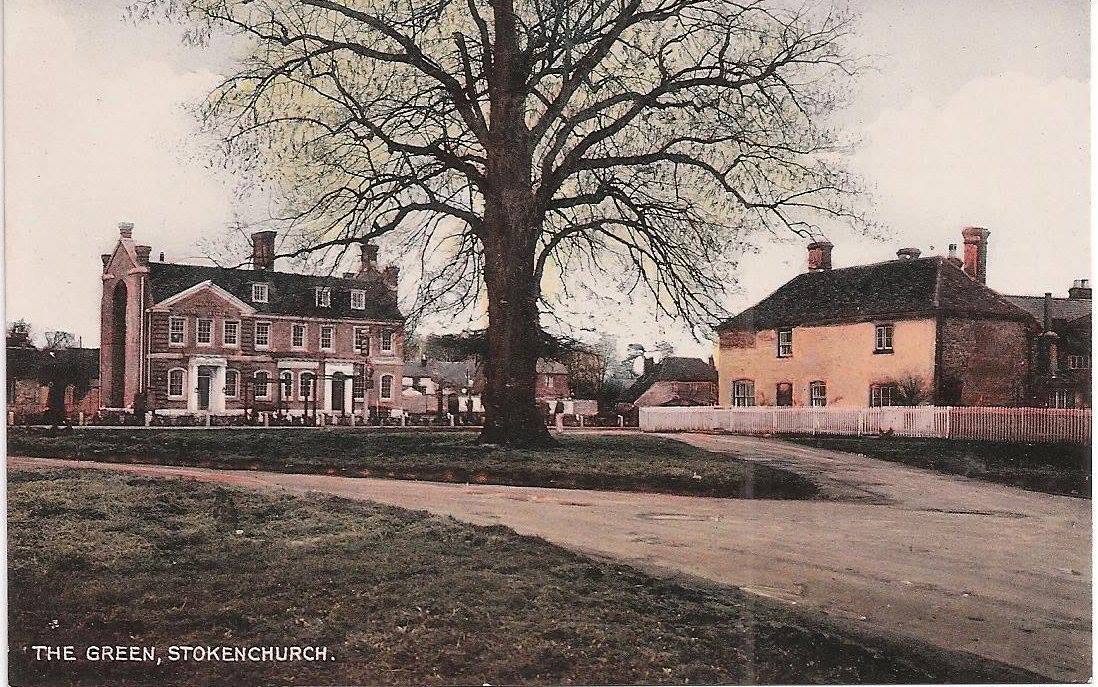
The Kings Arms, across the decades.
8 October 2021.
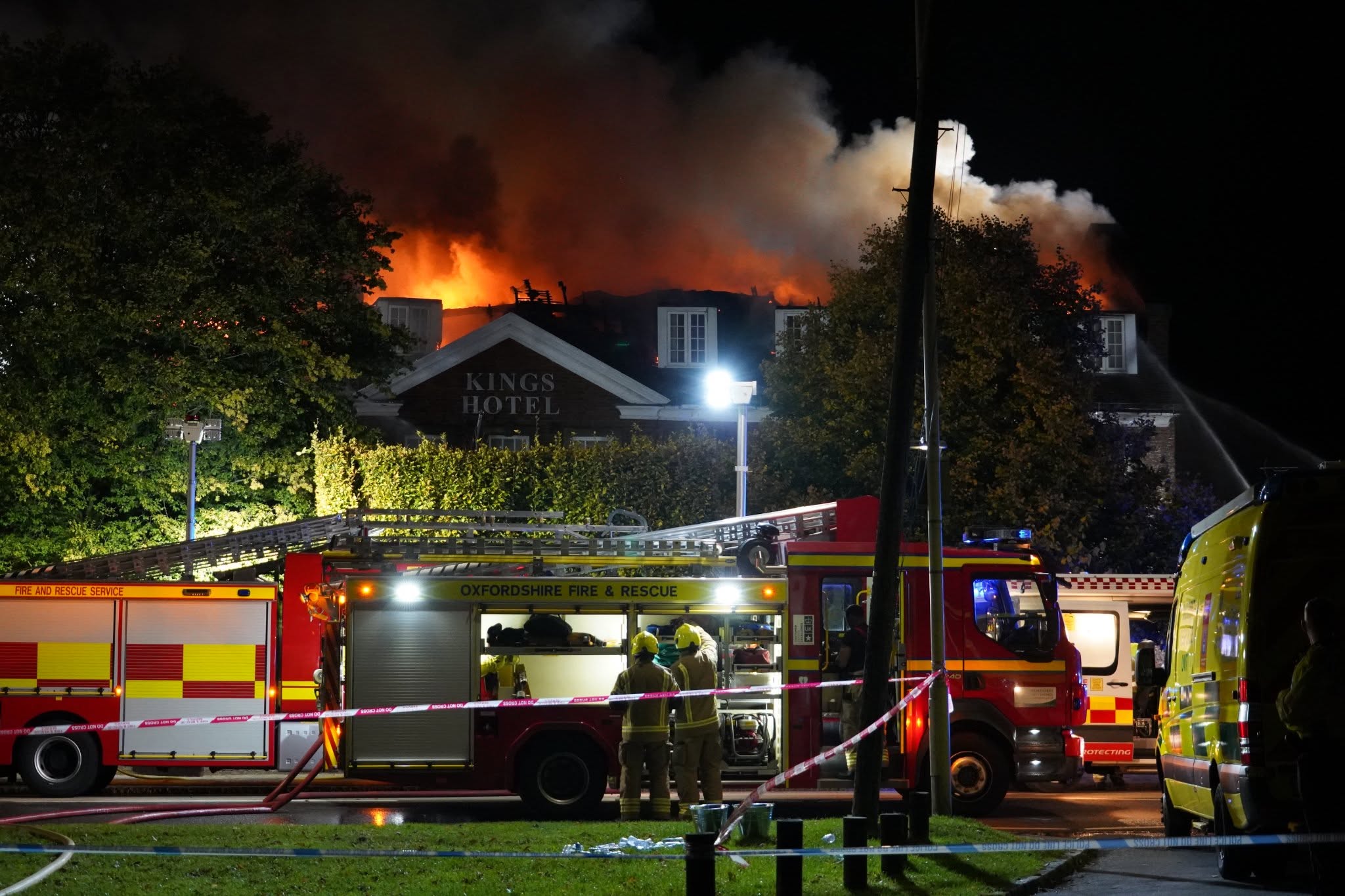
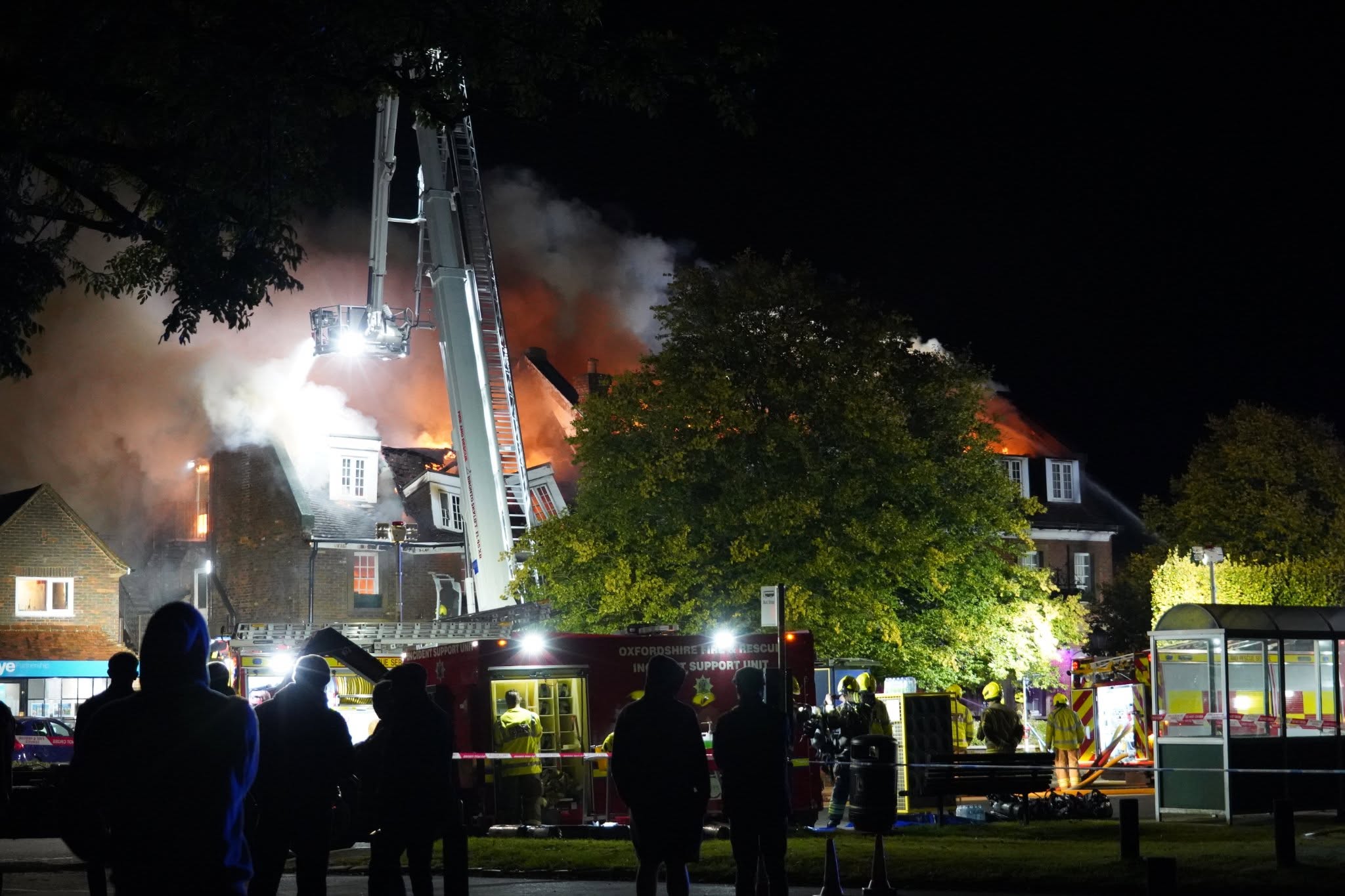
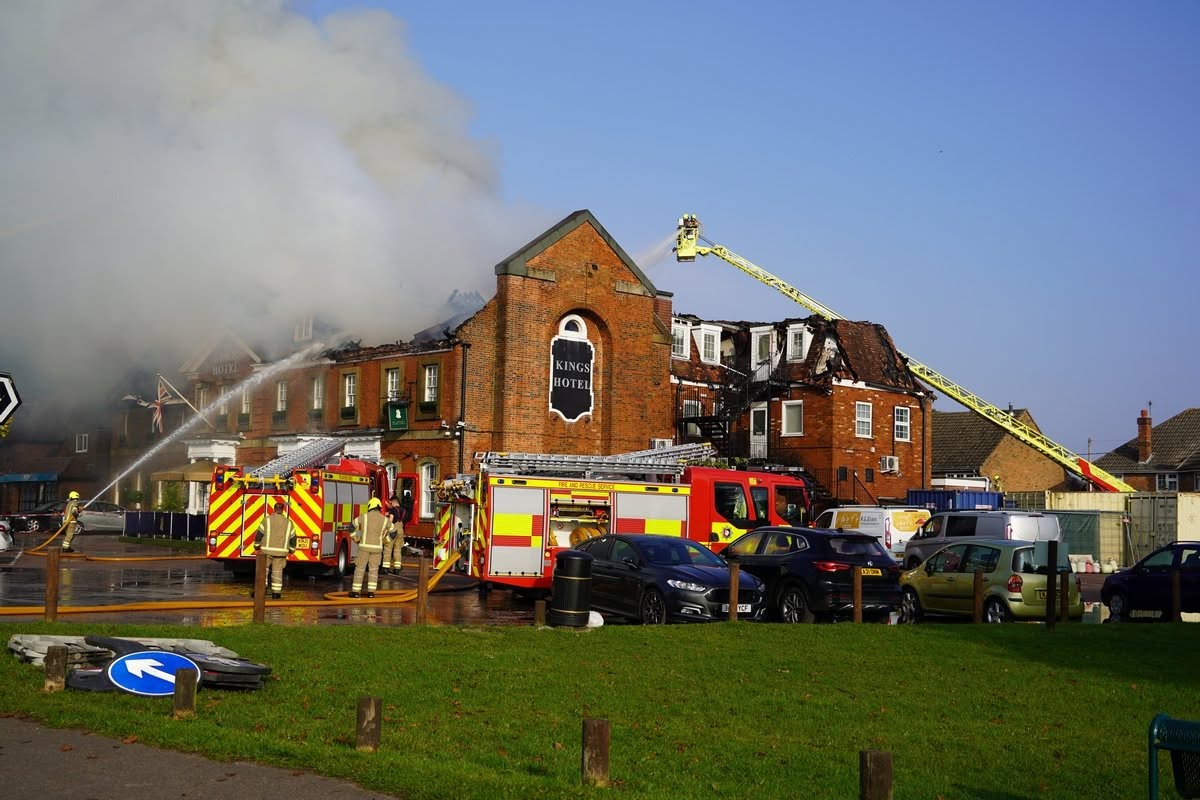
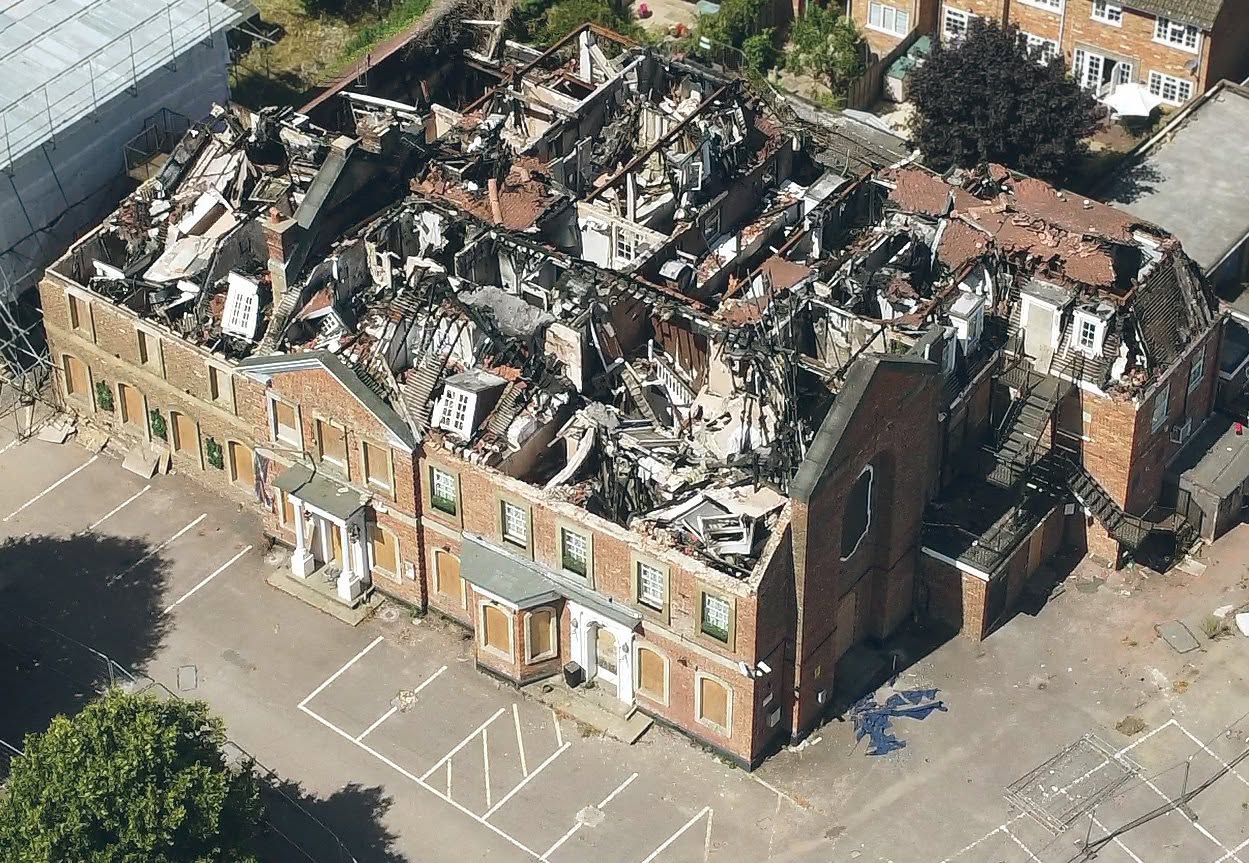
The building was largely destroyed by fire on 8 October 2021 — the blaze made BBC News — and has stood partially burned and derelict since. The hope of this campaign is that the shell of the building can be retained and the Kings Arms brought back. These photographs record the fire and what was left behind.